Scrap Materials
Product Information
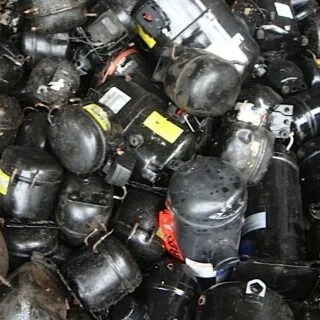
Scrap Materials consist of recyclable metals and materials recovered from industrial, commercial, and post-consumer sources. These materials are widely used in manufacturing and recycling industries to produce new products, reduce waste, and support sustainable practices.
We supply high-quality, sorted scrap materials that meet international standards, ensuring reliability for smelters, recyclers, and industrial buyers worldwide.
Key Features
- Recyclable and environmentally sustainable
- Carefully sorted and graded materials
- Cost-effective raw material alternative
- Consistent supply and quality
- Suitable for industrial and manufacturing use
Types of Scrap Materials
Metal Scrap
Ferrous Scrap
- HMS 1 & 2 (Heavy Melting Steel)
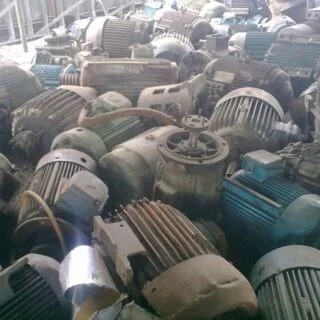
- Cast Iron Scrap
- Steel Scrap
Non-Ferrous Scrap
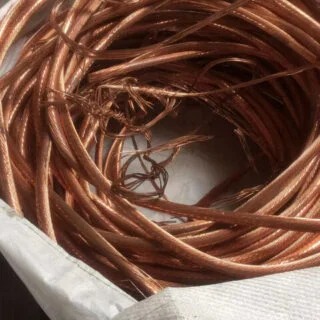
- Copper Scrap (Millberry, Berry)
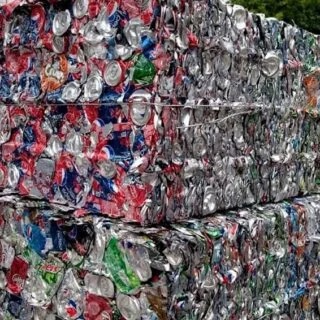
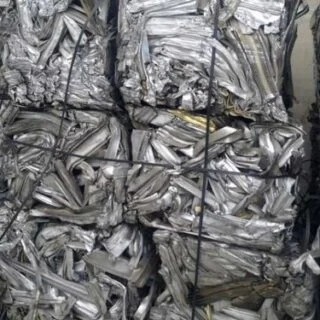
- Aluminum Scrap (UBC, Wheels, Sheets)
- Brass Scrap
- Zinc Scrap
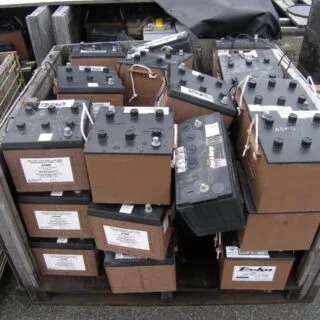
- Lead Scrap
Electronic Scrap (E-Scrap)
- Computer Parts
- Circuit Boards
- Electronic Components
- Mixed Electronic Waste
Plastic Scrap
- PET Bottles
- HDPE Scrap
- LDPE Scrap
- PP Scrap
- PVC Scrap
Paper Scrap
- OCC (Old Corrugated Cartons)
- Newspaper Scrap
- Office Paper Waste
- Mixed Paper
Rubber Scrap
- Used Tires
- Industrial Rubber Waste
Specifications
- Grade: As per international scrap standards
- Quality: Clean, sorted, and free from excessive contaminants
- Form: Loose, baled, or shredded
- Origin: Available upon request
- Inspection: Third-party inspection available
Shipment Information
Packaging Options
- Loose in containers
- Baled scrap
- Bundled or shredded materials
- Customized packaging available
Loading Capacity
- 20 FT Container: Approx. 18–25 metric tons
- 40 FT Container: Approx. 25–30 metric tons
Shipping Methods
- Sea Freight (FCL)
- Road Transport (regional supply)
Delivery Time
- 2–6 weeks depending on material type and destination
Documentation Provided
- Commercial Invoice
- Packing List
- Certificate of Origin
- Inspection Certificate
- Bill of Lading
Storage & Handling
- Store in a dry and secure area
- Separate by material type to maintain quality
- Ensure compliance with environmental regulations
- Handle using appropriate safety equipment